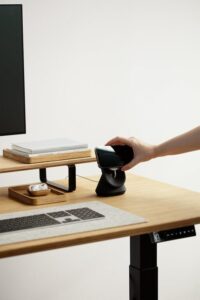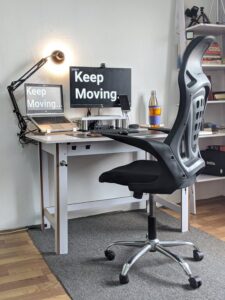

Creating a cozy and productive home office space is essential for anyone working from home or spending dedicated time on personal projects. A well-designed office can improve focus, comfort, and overall efficiency, making your workday more enjoyable and successful. Whether you have a small nook or a dedicated room, these tips will help you set up a space that inspires creativity and helps you stay organized.
Choose the Right Location
Start by selecting a spot in your home that fits your work style and needs. Ideally, find a quiet area with minimal distractions and good natural light.
– Quiet and Private: Choose a space that is away from high-traffic areas. This helps reduce noise and interruptions.
– Natural Lighting: Position your desk near a window when possible. Natural light boosts mood and alertsness.
– Space Considerations: Make sure there’s enough room for your desk, chair, and storage without feeling cramped.
Invest in Comfortable Furniture
Comfort is key for long hours spent working. Investing in quality furniture can improve your health and productivity.
– Ergonomic Chair: Select a chair that supports your lower back and encourages good posture.
– Desk Height: Your desk should allow your arms to rest comfortably at a 90-degree angle while typing.
– Adjustable Furniture: Consider a sit-stand desk or accessories like footrests to change positions throughout the day.
Organize to Minimize Clutter
A cluttered workspace can distract and overwhelm. Keeping your area tidy promotes a clear mind.
– Storage Solutions: Use shelves, drawers, and bins to keep supplies organized and off your desk.
– Daily Cleanup: Set aside a few minutes each day to tidy up and put items back in place.
– Cable Management: Use clips or sleeves to organize cords and keep them out of sight.
Personalize Your Space
Adding a few personal touches can make your office feel welcoming and boost your mood.
– Plants: Indoor plants purify the air and add a calming vibe to your workspace.
– Decor: Hang artwork or photos that inspire you but avoid overcrowding surfaces.
– Colors: Choose paint or décor in colors that soothe you, such as soft blues or greens.
Optimize Lighting
Proper lighting reduces eye strain and helps maintain energy levels.
– Task Lighting: Use a desk lamp with adjustable brightness for focused work.
– Avoid Glare: Position screens perpendicular to windows to prevent reflections.
– Warm Lighting: Consider bulbs with a warm color temperature for a cozy atmosphere.
Minimize Distractions
Limit interruptions and stay focused by creating boundaries around your work time and zone.
– Use Headphones: Noise-canceling headphones can block out distracting sounds.
– Set Clear Hours: Communicate your working hours to family members or housemates.
– Turn Off Notifications: Silence non-essential alerts to maintain concentration.
Incorporate Technology Wisely
The right technology setup supports smooth workflow without overwhelming your space.
– Monitor Setup: Use one or two monitors at eye level to reduce neck strain.
– Wireless Devices: Wireless keyboards and mice reduce cord clutter.
– Backup Power: Have a surge protector and backup drives to protect your work.
Create Zones for Different Activities
If space allows, design different zones for various tasks to help you stay organized and motivated.
– Work Zone: Main desk for computer work and meetings.
– Reading/Thinking Area: A comfortable chair or small couch for brainstorming or breaks.
– Storage Zone: Cabinets or shelves for documents and supplies.
Maintain Healthy Habits
Your office environment should encourage good habits for both work and wellbeing.
– Take Breaks: Schedule short breaks to stretch and rest your eyes.
– Stay Hydrated: Keep water nearby to stay refreshed.
– Air Quality: Open windows or use an air purifier to keep your space fresh.
Keep Evolving Your Space
Finally, remember your needs may change over time. Regularly update and tweak your office setup to keep it comfortable and inspiring.
—
By intentionally designing your home office space with comfort and productivity in mind, you can create a place where work feels less like a chore and more like a satisfying part of your day. Use these tips to build your ideal workspace that supports both your professional goals and personal wellbeing.