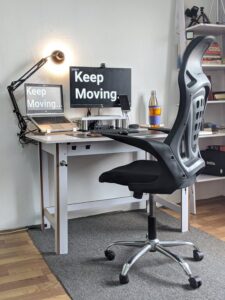
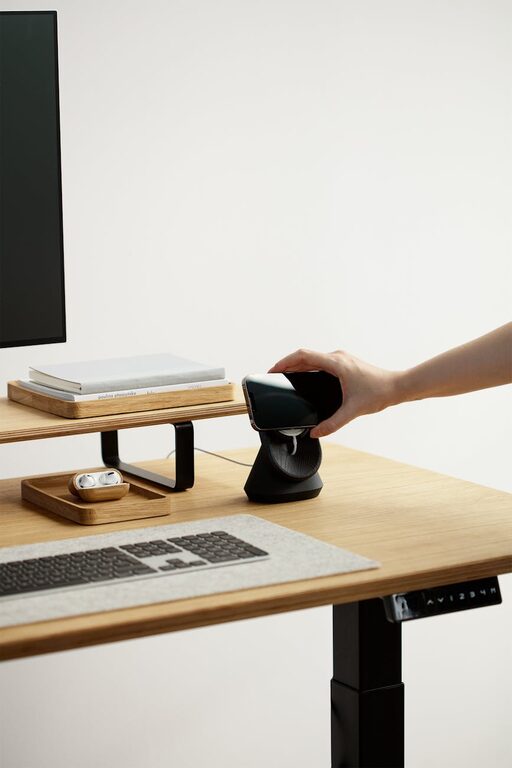
Creating a cozy and inviting home workspace can transform your daily routine, making work feel less like a chore and more like a comfortable, productive experience. Whether you work remotely full-time or need a spot for occasional tasks, designing a space that feels good to be in is essential. Here are practical tips to help you create a home workspace that combines comfort, functionality, and style.
1. Choose the Right Location
Selecting the proper area for your workspace sets the foundation for your home office.
– Quiet and Private: Find a space with minimal distractions and noise. A secluded corner, guest room, or unused nook can work well.
– Natural Light: Position your desk near a window if possible. Natural light improves mood and reduces eye strain.
– Ventilation: Make sure the space has good airflow to help you stay fresh and alert throughout the day.
2. Invest in Comfortable Furniture
Comfort is key to staying focused and avoiding physical discomfort.
– Ergonomic Chair: Choose a chair that supports your back, encourages good posture, and feels comfortable for extended periods.
– Appropriate Desk Size: Your desk should fit your computer, supplies, and any other essentials without clutter.
– Adjustable Features: Consider furniture that can adjust height or angle to suit your work style.
3. Personalize Your Space with Colors and Decor
The visual atmosphere impacts how inviting and inspiring your workspace feels.
– Choose Calming Colors: Soft blues, greens, or neutrals tend to promote relaxation and concentration.
– Add Plants: Greenery brings life into the room, improves air quality, and reduces stress.
– Incorporate Personal Touches: Photos, artwork, or meaningful trinkets make your space feel welcoming.
4. Optimize Lighting
Correct lighting is crucial for reducing eye strain and setting the right mood.
– Layer Lighting: Combine natural light with overhead lights and task lamps.
– Use Warm Bulbs: Soft, warm-toned bulbs create a cozy atmosphere.
– Position Task Lights Smartly: A desk lamp that illuminates your work area without glare helps maintain focus.
5. Keep It Organized
A tidy workspace fosters productivity and reduces stress.
– Desk Organizers: Use trays, holders, or containers to keep items like pens, papers, and chargers in place.
– Cable Management: Tidy cords and cables with clips or sleeves to prevent clutter.
– Storage Solutions: Shelves, drawers, or filing cabinets help keep everything you need within reach but out of the way.
6. Add Comfortable Textiles
Soft furnishings add warmth and comfort to your workspace.
– Area Rugs: A rug under your desk adds texture and helps define the workspace.
– Cushions and Throws: These provide extra comfort during long sessions and make the space feel homier.
– Window Treatments: Curtains or blinds help control sunlight and add a decorative element.
7. Control Noise Levels
Sound can greatly affect your ability to concentrate.
– Noise-Cancelling Headphones: Great for blocking out distracting sounds.
– Soft Furnishings: These absorb sound and reduce echo.
– White Noise Machines: These devices can create a consistent, calming background sound.
8. Incorporate Elements That Inspire You
Your workspace should motivate and energize.
– Inspiring Quotes or Vision Boards: Keep these visible to remind you of your goals.
– Artwork or Colorful Accents: These can spark creativity.
– Access to Books or Resources: Having work-related or motivational materials nearby is useful.
9. Maintain Good Air Quality
Fresh air helps you feel alert and energized.
– Open Windows When Possible: Let in fresh air during breaks.
– Use Air Purifiers: These can remove dust and allergens.
– Choose Low-Maintenance Plants: Plants like snake plants or pothos improve air quality without much care.
10. Balance Work and Relaxation Zones
Avoid burnout by separating work activities from relaxation.
– Define Boundaries: Use furniture arrangement or rugs to clearly mark the workspace.
– Create a Break Area: If space allows, add a cozy chair or small sofa nearby to rest.
– Remove Work Materials After Hours: This helps your brain switch off from work mode.
—
Final Thoughts
Designing a cozy and inviting home workspace doesn’t require a complete overhaul. Small, thoughtful changes focusing on comfort, organization, lighting, and personalization can make a big difference in how you feel and perform. Remember, the goal is to create a space where you feel motivated, focused, and at ease — your ideal work-from-home sanctuary. Start with one or two tips above and build from there, adjusting as your needs evolve.
With the right setup, your home workspace can be a place you look forward to spending time in each day!