Creating a relaxing home office environment is essential for making work-from-home days more enjoyable and productive. When your workspace feels calm and inviting, it can improve your focus and reduce stress. Whether you have a small nook or a dedicated room, there are several practical tips to help you design a home office that promotes relaxation and efficiency. In this post, we’ll explore ways to create an environment that supports your work and well-being.
1. Choose a Comfortable and Supportive Chair
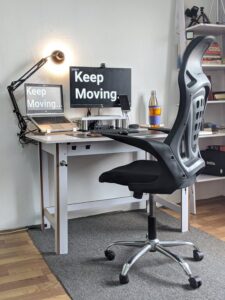
One of the most important elements in any home office is the chair. Because you may spend several hours at your desk, investing in a chair that offers proper support is crucial. Look for features like adjustable height, lumbar support, and cushioning. A comfortable chair not only reduces back pain but also helps you maintain better posture, which contributes to a more relaxed experience throughout the day.
2. Maximize Natural Light
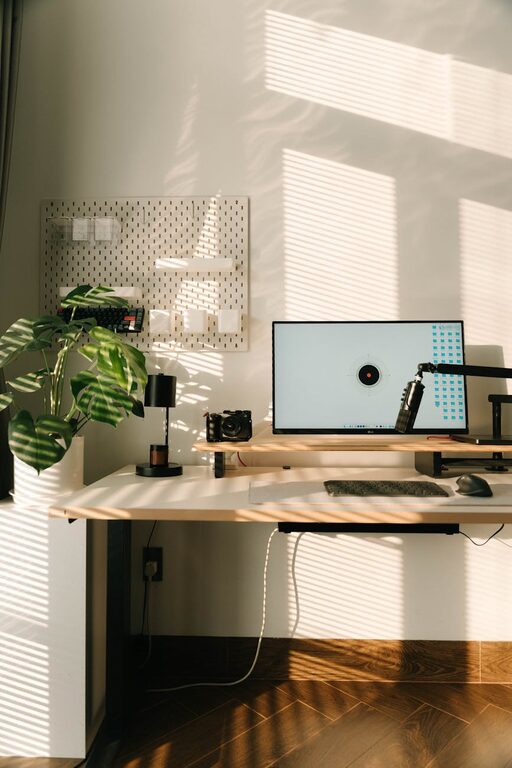
Natural light has a significant impact on mood and energy levels. Position your desk near a window to take advantage of sunlight during the day. If possible, open the blinds to brighten the space and reduce eye strain from harsh artificial lighting. If natural light is limited, choose soft, warm light bulbs to mimic daylight and create a cozy atmosphere.
3. Keep Your Workspace Organized
Clutter can increase feelings of stress and distraction. Keeping your desk and surrounding area tidy helps create a sense of calm. Use organizers like trays, drawer dividers, and shelves to keep papers and supplies off your desk surface. Regularly decluttering your workspace means you can focus more easily and feel less overwhelmed.
4. Add Touches of Nature
Including elements from nature in your home office can boost relaxation and creativity. Small potted plants or succulents are excellent choices—they require little maintenance and add a pop of green. If plants aren’t an option, consider nature-themed artwork or images to bring a little outdoor tranquility inside.
5. Use Calming Colors
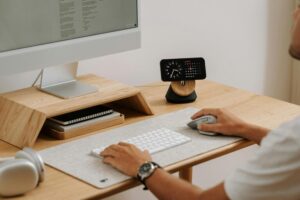
Colors influence how we feel, so choose a color scheme that promotes calmness. Soft blues, greens, and neutrals are great options for walls and accessories. Avoid overly bright or intense colors that might feel overstimulating during work hours. Even small touches, like a light-colored mouse pad or desk lamp, can contribute to a soothing environment.
6. Incorporate Personal but Minimal Decor
Personalizing your space helps make it feel welcoming, but too many personal items can create clutter. Select a few meaningful and inspiring items, such as photos, artwork, or motivational quotes, and arrange them neatly on shelves or walls. This balance keeps your space both productive and pleasant.
7. Manage Noise Wisely
Background noise can disrupt concentration, so consider how to control sounds in your home office. Noise-canceling headphones can block distractions, or you might use a white noise machine for consistent, soothing sounds. Alternatively, playing soft instrumental music or nature sounds at low volume can enhance focus and relaxation.
8. Keep Essential Tools Within Reach
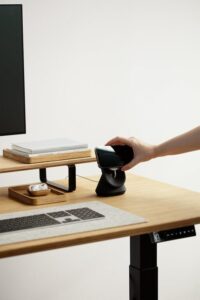
Organize your desk so that frequently used tools—pens, notepads, computer accessories—are easy to access. This reduces frustration and the need to get up repeatedly, helping maintain a smooth workflow. Using desk organizers or small containers can keep these items neat without cluttering your space.
9. Take Regular Breaks with Movement
Creating a relaxing environment also means caring for your body. Set reminders to stand, stretch, or take short walks every hour. Movement not only relieves physical tension but refreshes your mind, making it easier to return to tasks with renewed focus.
10. Control Temperature and Air Quality
Comfortable temperature and fresh air contribute significantly to your overall sense of well-being. Adjust your thermostat to a moderate temperature and ensure your workspace is well-ventilated. If possible, open a window or use an air purifier to maintain good air quality, which can help you feel more alert and comfortable.
—
By applying these tips to your home office setup, you can create an environment that fosters relaxation and productivity. Remember, the best workspace reflects your personal preferences while supporting your health and concentration. A few thoughtful adjustments can transform how you feel throughout your workday, making your time at home more enjoyable and efficient.